
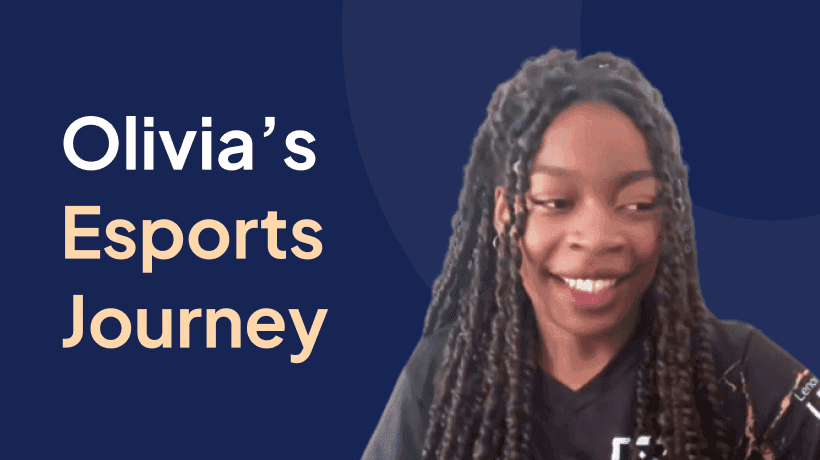
Power of High School Esports: Olivia’s Journey to Pro Player
Summary
Olivia Calistus used her high school esports program and Gameplan’s structure to stay motivated in school while pursuing competitive play. The program helped her improve her grades, communicate her goals to her parents, and gain the support she needed to move into professional esports. Today, she is the top laner for G2 Esports’ women’s League of Legends team. Her story shows how esports programs in schools support engagement, attendance, academic balance, and career readiness.
The Beginning Of an Career in Esports: High School Esports
Nothing makes us happier than hearing about the success of former Gameplan students. Meet Olivia Calistus: a brilliant student turned professional esports player and a shining example of esports’ impact. She currently holds the top laner position on G2 Esports' League of Legends female team, one of the most recognized esports organizations in the world.
When Olivia heard about an esports program at her school, it immediately caught her interest. What was not immediate was the support she needed at home. Like many students, she faced skepticism about whether esports had a future. Gameplan helped her explain that programs, careers, and credentials exist within the esports ecosystem. That structure made it easier for her parents to understand that she was pursuing something real.
Her first competitive experience was representing her school against other schools. Those early matches created a path. When she graduated, she was picked up by SK Gaming. After that, she joined G2 Esports.
“My journey started when I was in high school. I always knew that I wanted to do something with esports. It caught my interest when I heard that Gameplan was going to start in our school.”
Esports in Schools: Boosting Academics and Student Engagement
Olivia says the program helped her stay focused on academics because participation required steady attendance and consistent grades. These expectations matched what districts across the country are seeing.
"When Gameplan came to my school, you had to keep your grades up to stay in the program. That motivated me to work harder. If you didn’t attend school or your grades were low, you couldn’t participate. It helped me stay balanced, and the rules kept it fair for everyone.”
For Olivia, the expectations were clear. To stay in the program, she needed to stay in school and keep her grades up. That structure helped her balance esports with academics.
DEI and Women in Esports
Olivia also talks openly about the importance of diversity in esports. She explains that visibility matters, especially for women who are entering a field that has been slow to diversify.
“What we’re doing now is already a big step toward more diversity and more women in esports. I think publicity is a great way to celebrate women in esports. When organizations celebrate the work of women, it shows appreciation and lets people outside the industry see that women are part of the scene.”
Her success shows students nationwide that there is room for them in esports, whether they want to play, design games, broadcast, create content, or pursue technical roles like cybersecurity and networking.
What Students Gain from Esports
Olivia’s journey has been a testament to the power of esports education. Her experience reflects what many districts are now seeing when they use structured esports curriculum.
With scholastic esports, students gain:
Stronger motivation to attend school
Better communication and collaboration skills
Exposure to digital careers
Confidence from representing their school
Pathways into CTE programs in technology, game design, or media
Esports also brings in students who often do not participate in other extracurricular activities. Teachers report that these students feel seen for the first time.
A New Way to Engage Your Students: Esports
Olivia's journey is living proof that esports is not just about playing video games; it's a competitive and rewarding field that requires dedication and hard work. At Gameplan, we are incredibly proud to see such a talented, brilliant young woman succeed and inspire others.
“I'd recommend Gameplan to aspiring players, especially players who are still in school. It will help you motivate you for your school studies as well and help you through school.”
Olivia's story shows what is possible when schools offer students a clear, supportive path. She found a community, built strong habits, gained parent support, and developed the confidence to enter professional play.
Her journey is one example among many. Esports helps students who want to stay engaged, who need a place to belong, and who want to explore careers connected to technology, media, and creative work.
Watch Olivia's video to hear more about her journey:

If you are curious about how to use esports education in your school, let us help you. Schedule a 15-minute meeting to learn more today!
Written by

Pınar (Pia) Arslan
Pınar (Pia) Arslan is the Digital Marketing Manager at Gameplan, where she leads brand messaging, content strategy, and SEO to support the growth of gaming-driven Career and Technical Education. She specializes in translating complex educational concepts into clear, accessible marketing that connects with district leaders, educators, and industry partners. Pia holds an MA degree in sociology, where her research examined gamer identity and behaviors. With more than twenty years of gaming experience and a background in HR, content development, and strategic communications, she brings a people-centered approach to her role and is an active advocate for DEI in gaming and education.