Principles of Arts, Entertainment & Design

A foundational CTE course that introduces students to how creative careers function. By the end of the course, they are ready to confidently move into pathways like Game Design Fundamentals or Media Production Fundamentals.

Principles of Arts, Entertainment & Design

A foundational CTE course that introduces students to how creative careers function. By the end of the course, they are ready to confidently move into pathways like Game Design Fundamentals or Media Production Fundamentals.

Principles of Arts, Entertainment & Design

A foundational CTE course that introduces students to how creative careers function. By the end of the course, they are ready to confidently move into pathways like Game Design Fundamentals or Media Production Fundamentals.

Course outline

Explore how creative industries work before choosing a pathway.

Course outline

Explore how creative industries work before choosing a pathway.

Course outline

Explore how creative industries work before choosing a pathway.

9 units

90 lessons

English & Spanish

Unit 1 · 9 Lessons

  1. Entering Creative Industries

Students are introduced to the Arts, Entertainment & Design ecosystem. They explore how creative work connects across industries and how ideas become experiences.

Objectives

  • Understand how creative industries are structured

  • Explore how ideas turn into products and experiences

  • Learn professional behavior and collaboration basics

  • Understand intellectual property and ethics
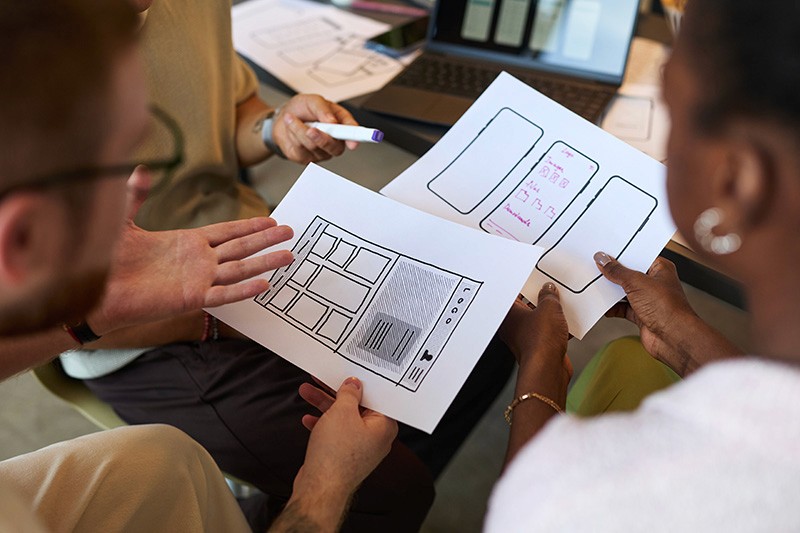
Team collaborating on mobile app wireframes, reviewing sketches of screens and layout designs.
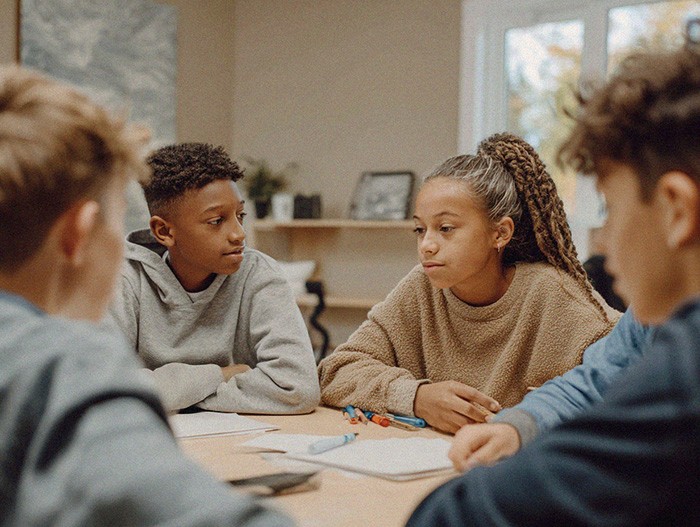
Group of students sitting together at a table, engaged in discussion during a classroom activity.

Unit 2 · 6 Lessons

  1. Careers, Roles & Creative Identity

Students explore different roles in creative teams and how projects come together. They begin identifying their own strengths and interests.

Objectives

  • Understand roles across creative industries

  • Explore team structures and workflows

  • Identify personal strengths and working styles

  • Build awareness of career opportunities

Unit 3 · 12 Lessons

  1. Storytelling Across Media

Students learn how storytelling works across games, video, and live media. They analyze how structure, pacing, and perspective shape audience experience.

Objectives

  • Understand storytelling principles across formats

  • Analyze engagement and audience experience

  • Compare storytelling in games, video and live media
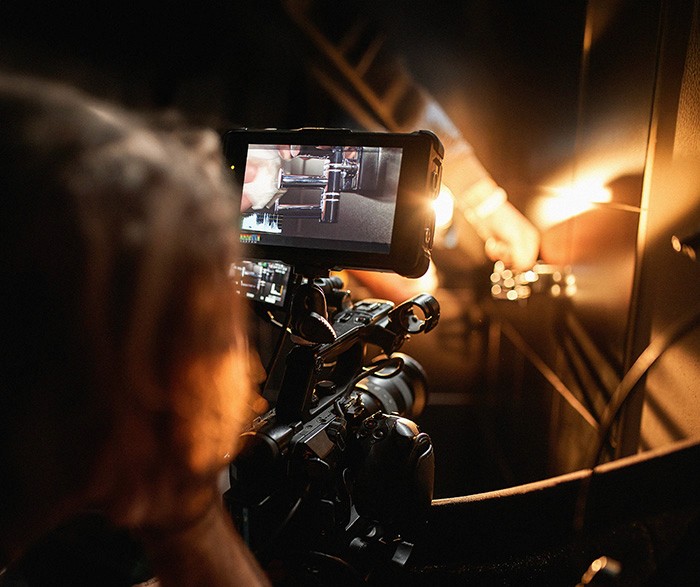
Person filming a scene with a professional camera, capturing a close-up shot under studio lighting.
Two students focused on reading and working together on an assignment.

Unit 4 · 9 Lessons

  1. Art, Fan Culture & Creative Ethics

Students explore creativity within existing worlds and communities. They examine ownership, inspiration, and ethical decision-making.

Objectives

  • Understand fan culture and creative expression

  • Explore copyright and ownership

  • Make informed ethical decisions in creative work

Unit 5 · 10 Lessons

  1. Visual Communication & Media Creation

Using tools like Adobe Express, students learn how visual design communicates meaning.

Objectives

  • Understand layout, imagery and visual hierarchy

  • Apply design choices to communicate clearly

  • Explore how tools shape creative outcomes
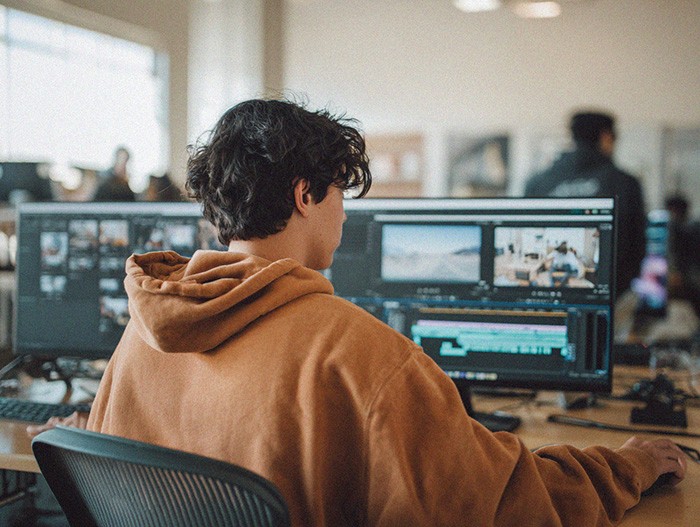
Student editing video footage on a computer with multiple monitors in a media lab.
Student seated at a computer in a classroom or lab, working on a 3D or game design project on screen.

Unit 6 · 11 Lessons

  1. Interactive Systems & Game Design Thinking

Students explore how interactive systems work. They learn how rules, logic, and feedback shape user experience.

Objectives

  • Understand how interactive systems are structured

  • Explore logic, conditions, and feedback loops

  • Apply systems thinking to games and digital experiences

Unit 7 · 9 Lessons

  1. Performance, Esports & Live Media

Students explore esports as a live production ecosystem, not just gameplay. They learn how teams deliver real-time experiences.

Objectives

  • Understand live event production roles

  • Explore teamwork and communication in real-time settings

  • Analyze audience experience in live media

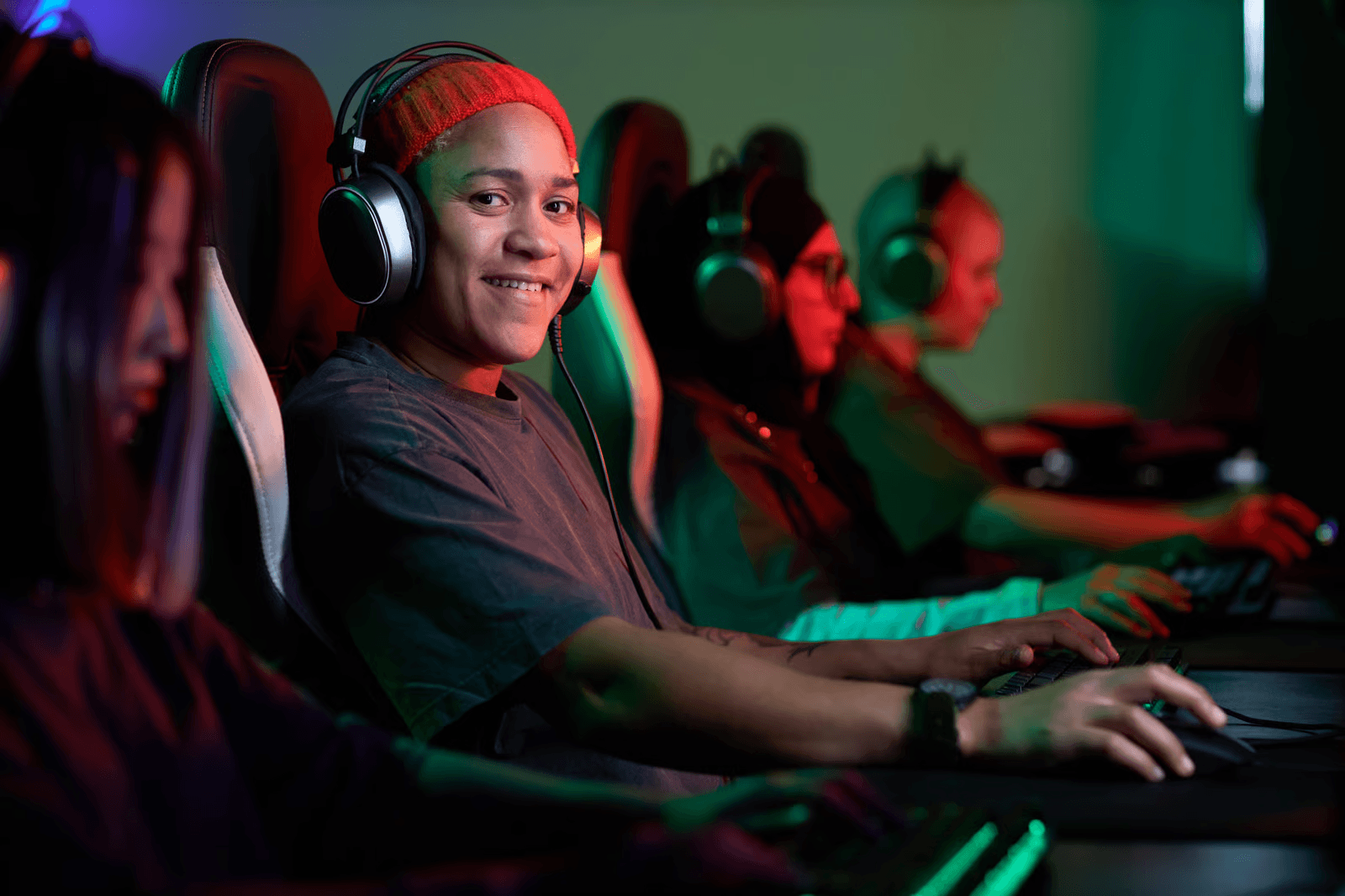
A group of esports players wearing headsets and playing together at gaming computers.
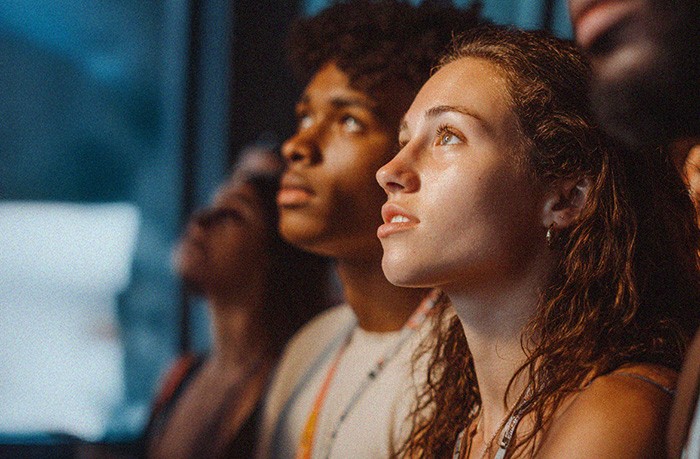
Students looking up attentively at a screen or presentation during a tech-focused activity or field trip.

Unit 8 · 9 Lessons

  1. Space, Form & Design in Digital Worlds

Students explore design beyond the screen, focusing on space, movement, and human experience.

Objectives

  • Understand spatial design and user experience

  • Explore how design affects movement and interaction

  • Apply design thinking across environments
Unit 9 · 9 Lessons

  1. Reflection, Pathways & Next Steps

Students reflect on what they’ve learned and connect it to future pathways.

Objectives

  • Identify personal interests and strengths

  • Understand next steps in creative pathways

  • Prepare for courses like Game Design or Media Production

“Student smiling while collaborating with classmates around a table in a classroom.
Download full course outline

Fill in your email and receive the full outline, for free.

Download full course outline

Fill in your email and receive the full outline, for free.

Download full course outline

Fill in your email and receive the full outline, for free.

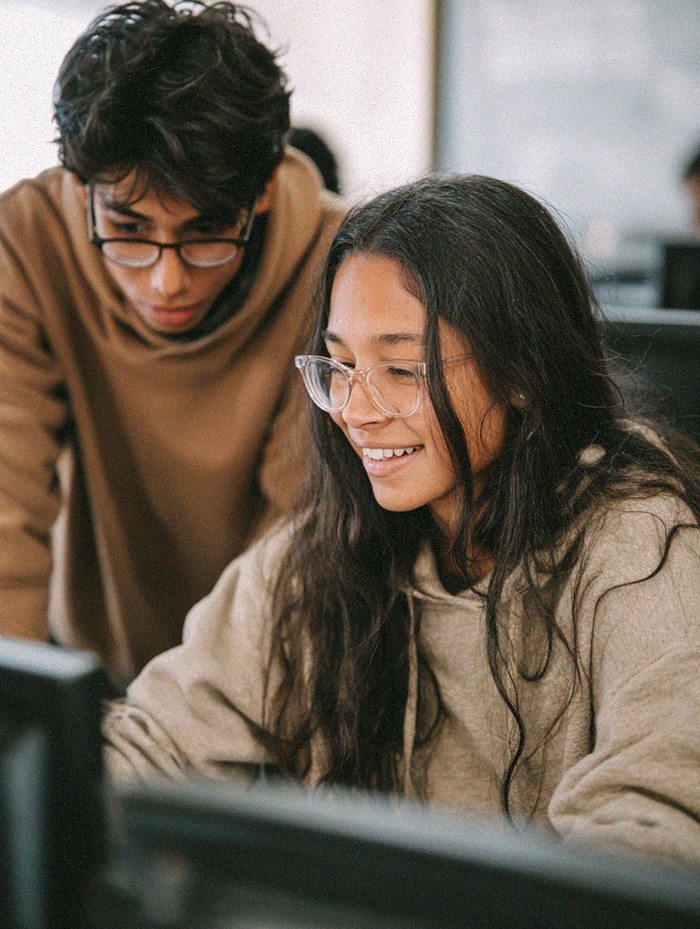
Two students working together at a computer, collaborating on a project in a classroom or lab.

Start with exploration, build toward specialization

Most courses ask students to pick a pathway too early. This one doesn’t.

This course is designed to sit at the start of your CTE pathway, giving students the context they need before committing to a direction.

After Principals of Art, Entertainment & Design, students can move into Game Design Fundamentals or Media Production Fundamentals.

Two students working together at a computer, collaborating on a project in a classroom or lab.

Start with exploration, build toward specialization

Most courses ask students to pick a pathway too early. This one doesn’t.

This course is designed to sit at the start of your CTE pathway, giving students the context they need before committing to a direction.

After Principals of Art, Entertainment & Design, students can move into Game Design Fundamentals or Media Production Fundamentals.

Two students working together at a computer, collaborating on a project in a classroom or lab.

Start with exploration, build toward specialization

Most courses ask students to pick a pathway too early. This one doesn’t.

This course is designed to sit at the start of your CTE pathway, giving students the context they need before committing to a direction.

After Principals of Art, Entertainment & Design, students can move into Game Design Fundamentals or Media Production Fundamentals.

Devices

Devices

Devices

PC

Mac

Chromebook

See how this course can be used in your district or school

Flexible, scalable, and made to fit. Let’s show you how.

15-30 min

Online meeting

See how this course can be used in your district or school

Flexible, scalable, and made to fit. Let’s show you how.

15-30 min

Online meeting

See how this course can be used in your district or school

Flexible, scalable, and made to fit. Let’s show you how.

15-30 min

Online meeting